
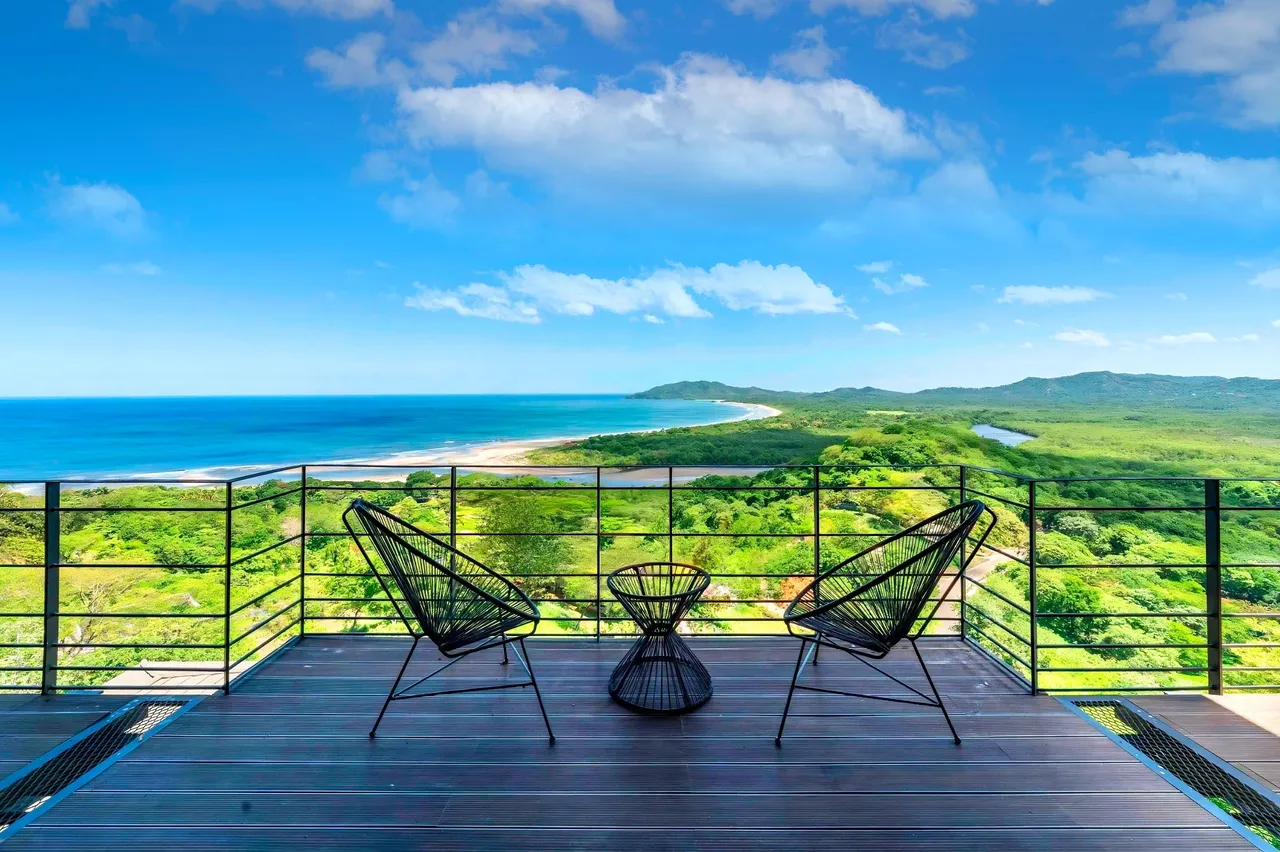
Looking for a long-term rental in Costa Rica? We understand the excitement and challenges that come with finding your perfect home in this tropical paradise. Whether you’re planning to work remotely while enjoying beach life or seeking a peaceful retirement destination, Costa Rica offers incredible options for extended stays.
We’ve helped countless people find their ideal long-term accommodations throughout Costa Rica—from beachfront condos in Tamarindo to mountain retreats in Monteverde. What areas are you most interested in exploring? How long do you plan to stay? These factors greatly influence which rental options will best suit your lifestyle and budget.
ChatGPT: Looking for a long-term rental in Costa Rica? We understand the excitement and challenges that come with finding your perfect home in this tropical paradise. Whether you’re planning to work remotely while enjoying beach life or seeking a peaceful retirement destination, Costa Rica offers incredible options for extended stays.
We’ve helped countless people find their ideal long-term accommodations throughout Costa Rica—from beachfront condos in Tamarindo to mountain retreats in Monteverde. What areas are you most interested in exploring? How long do you plan to stay? These factors greatly influence which rental options will best suit your lifestyle and budget.
The Growing Appeal of Long-Term Rentals in Costa Rica
Costa Rica’s long-term rental market has seen remarkable growth in recent years as more people discover the benefits of extended stays in this tropical paradise. The combination of natural beauty, stable political climate, and high quality of life makes Costa Rica an attractive destination for digital nomads, retirees, and those seeking a change of pace.
Economic Benefits for Extended Stays
Long-term rentals in Costa Rica offer substantial financial advantages compared to short-term vacation rentals. Monthly rates typically range from $500-$2,000 depending on location and amenities, representing savings of 30-50% compared to daily or weekly rates. Many property owners provide discounts for multi-month commitments, including reduced utility costs and maintenance fees.
Properties like two-bedroom condos in Tamarindo or mountain homes in San Ramón offer excellent value for extended stays, with landlords often willing to negotiate favorable terms for reliable tenants committing to six months or longer.
Integration into Local Communities
Extended stays allow visitors to develop deeper connections with Costa Rican communities. Living like a local provides authentic cultural experiences impossible to gain during brief visits. Many long-term renters join community events, volunteer programs, and language exchanges, creating meaningful relationships with neighbors and fellow expatriates.
Communities such as Atenas, Grecia, and Santa Teresa have vibrant expatriate populations that welcome newcomers with open arms. Have you considered how living in a Costa Rican neighborhood might change your perspective on daily life?
Remote Work Opportunities
Costa Rica has become a hotspot for remote workers seeking balance between productivity and lifestyle. The country’s reliable internet infrastructure supports various professional needs, while its natural surroundings provide the perfect backdrop for a healthy work-life balance.
Many rental properties now include dedicated workspaces, high-speed internet, and backup power solutions to accommodate digital professionals. Popular locations for remote workers include Jacó, Tamarindo, and the Central Valley areas around San José, where connectivity meets convenience without sacrificing natural beauty.
Experiencing Seasonal Variations
Living in Costa Rica long-term allows visitors to experience the country’s distinct seasons. From the vibrant green landscapes of the rainy season to the sunny days of the dry season, each period offers unique opportunities for exploration and enjoyment.
Long-term residents can plan activities around seasonal advantages—booking surf lessons during optimal wave conditions, timing hiking trips during cooler months, or witnessing special natural events like turtle nesting. This seasonal rhythm creates a more complete understanding of Costa Rica’s environmental diversity than any vacation could provide.
Best Locations for Long-Term Rentals in Costa Rica
Costa Rica offers diverse locations for long-term rentals, each with unique characteristics and amenities. We’ve compiled the most sought-after regions where expatriates, digital nomads, and retirees frequently settle for extended stays.
Beach Communities on the Pacific Coast
The Pacific Coast attracts long-term renters with its stunning beaches and developed infrastructure. Tamarindo stands out as a favorite for expats, offering a vibrant community with restaurants, shops, and consistent surf breaks. Monthly rentals here typically range from $800-$1,500 for one-bedroom apartments, with luxury options reaching $2,500+.
Nosara and Samara appeal to those seeking a more laid-back beach lifestyle. These communities embrace wellness, yoga, and sustainable living. Jaco provides a more urban beach experience with numerous amenities and nightlife options, making it convenient for newcomers to Costa Rica.
Manuel Antonio combines beach access with proximity to lush national parks, perfect for nature enthusiasts. Have you considered which Pacific beach town matches your lifestyle preferences? Each community offers different vibes—from surf-focused to family-friendly environments.
Central Valley Cities and Towns
The Central Valley provides a comfortable climate and metropolitan conveniences at affordable prices. San José, the capital, features the most extensive amenities, shopping centers, and cultural activities, with rental prices ranging from $500-$1,200 for well-appointed apartments in safe neighborhoods.
Escazú and Santa Ana cater to expats seeking upscale communities with international schools, high-end shopping, and premium housing options. These western suburbs offer beautiful mountain views and cooler temperatures compared to coastal regions.
Heredia and Alajuela present more authentic Costa Rican experiences with lower rental costs (typically $400-$900 monthly) while maintaining proximity to modern conveniences. Central Valley locations also benefit from excellent healthcare facilities, including private hospitals with English-speaking staff.
Caribbean Coast Options
Puerto Viejo embodies Caribbean culture with its Afro-Caribbean influences, reggae music, and distinctive cuisine. Long-term rentals here cost less than Pacific coast equivalents, with jungle cabins or beach houses available from $600-$1,000 monthly.
Cahuita offers a quieter alternative with its national park and pristine beaches. The laid-back atmosphere appeals to those wanting to escape tourist crowds while enjoying authentic Caribbean lifestyle. Both locations experience different weather patterns than the Pacific side, with more rainfall but lush, vibrant vegetation.
Limón provides urban amenities on the Caribbean coast with lower living costs. The entire Caribbean region connects residents with unique cultural experiences not found elsewhere in Costa Rica. Would you prefer the Caribbean’s relaxed rhythm or the Pacific’s established expat communities?
What to Expect: Typical Costs and Rental Terms
Long-term rentals in Costa Rica vary significantly in price and terms depending on location, property type, and amenities. Understanding these variations helps in budgeting appropriately for your extended stay. Here’s what you need to know about costs and rental agreements throughout the country.
Monthly Rental Prices by Region
Costa Rica’s rental market offers diverse pricing across its different regions:
Pacific Coast – Prices range from $700-$3,000 monthly, with premium spots like Tamarindo and Manuel Antonio commanding higher rates. Beachfront properties typically start at $1,200, while homes 10-15 minutes inland can be found for $700-$900.
Central Valley – San José and surrounding areas offer the best value, with comfortable apartments starting at $500-$800 monthly. Upscale neighborhoods like Escazú and Santa Ana feature luxury condos from $1,000-$2,500.
Caribbean Coast – This region provides the most affordable options, with basic homes in Puerto Viejo or Cahuita available from $400-$700. Oceanview properties range from $800-$1,500, significantly less than comparable Pacific coast rentals.
Mountain Towns – Areas like Monteverde and Atenas offer mid-range options from $600-$1,200, with prices varying based on views and proximity to amenities.
| Region | Basic Rentals | Mid-Range | Luxury Options |
|---|---|---|---|
| Pacific Coast | $700-$900 | $1,000-$1,800 | $2,000-$3,000+ |
| Central Valley | $500-$800 | $900-$1,500 | $1,600-$2,500 |
| Caribbean Coast | $400-$700 | $800-$1,200 | $1,300-$1,800 |
| Mountain Towns | $600-$800 | $900-$1,200 | $1,300-$2,000 |
Utility costs add approximately $100-$300 monthly depending on air conditioning usage and internet requirements. Properties with pools typically include an additional maintenance fee of $50-$150.
Common Lease Requirements
When renting long-term in Costa Rica, you’ll encounter several standard lease conditions:
Contract Duration – Most landlords prefer 12-month leases, though 3-6 month arrangements are possible with a 10-20% premium on the monthly rate. Some property owners offer month-to-month options after completing an initial fixed term.
Security Deposits – Expect to pay one or two months’ rent as a security deposit. This amount is fully refundable at the end of your stay, assuming no damage beyond normal wear and tear.
Payment Terms – Rent is typically paid in U.S. dollars on the first of each month. Some landlords request payment by bank transfer, while others accept cash or local currency equivalent. A growing number now accept digital payments through platforms like PayPal.
Documentation – You’ll need to provide a copy of your passport, proof of income or financial stability, and sometimes personal references. Foreign residents often need to show their residency status or tourist visa.
Maintenance Responsibilities – In Costa Rica, the division of maintenance responsibilities differs from North American standards. Tenants typically handle minor repairs (under $100), while landlords cover major systems and structural issues. This arrangement is usually clearly outlined in the rental agreement.
Furnishings – About 70% of long-term rentals come furnished, which can range from basic to fully equipped. Unfurnished properties may offer lower monthly rates but require significant initial investment in household items.
Have you considered which rental term length would best suit your Costa Rica adventure? Understanding these typical costs and requirements helps create a realistic budget and sets appropriate expectations for your tropical living experience.
Finding Your Perfect Long-Term Rental
Finding the ideal long-term rental in Costa Rica requires research and planning. We’ve developed a streamlined approach to help you discover accommodations that match your lifestyle needs and budget constraints.
Online Platforms and Resources
Online platforms offer convenient access to Costa Rica’s long-term rental market. Websites like Encuentra24, OLX, and Craigslist feature extensive property listings across different regions. Facebook groups dedicated to housing in specific areas—such as “Rentals in Tamarindo” or “San José Apartments”—provide up-to-date options often before they appear on mainstream sites.
Digital nomad-focused platforms including Nomad List and Remote Year showcase rentals with high-speed internet and workspace amenities. These resources frequently include reviews from previous tenants, giving you insight into property conditions and landlord responsiveness.
When using these platforms:
- Filter searches by your budget range and required amenities
- Look for listings with multiple high-quality photos
- Compare prices across different platforms for the same area
- Read reviews thoroughly before making contact
- Verify property locations on Google Maps
Many property owners post virtual tours, allowing you to explore potential homes remotely. Have you considered what specific features would make your long-term stay comfortable? Creating a checklist before browsing helps narrow your search effectively.
Working With Local Real Estate Agents
Local real estate agents bring valuable market knowledge to your rental search. These professionals understand neighborhood dynamics, typical price ranges, and can identify properties matching your specific requirements.
An experienced agent offers several advantages:
- Access to exclusive listings not advertised online
- Negotiation support for favorable lease terms
- Translation assistance during the rental process
- Guidance on local rental regulations and practices
- Connections to trusted property management companies
Many agents specialize in specific regions, from beach communities to mountain towns. When selecting an agent, look for someone with experience serving international clients and knowledge of your target area.
Ask potential agents about their fee structure upfront—some charge renters a commission equivalent to one month’s rent, while others receive payment from property owners. What questions do you have about the local market that an experienced agent could answer?
Scheduling video calls with agents before arrival allows you to build rapport and communicate your needs clearly. The best agents continue providing support after you’ve signed a lease, helping with utility setup and local orientation.
Legal Considerations for Foreigners Renting Long-Term
Navigating the legal aspects of long-term rentals in Costa Rica requires understanding specific regulations that apply to foreign residents. These laws protect both tenants and landlords while establishing clear guidelines for rental agreements and visa requirements.
Visa Requirements and Limitations
Foreign nationals renting in Costa Rica must have appropriate visa status to stay legally beyond the standard tourist period. Tourist visas typically allow stays of up to 90 days, requiring exit from the country before renewal. For those planning to rent long-term, several visa options exist:
- Rentista Visa: Requires proof of $2,500 monthly income from a permanent source for at least two years
- Pensionado Visa: Available to retirees with guaranteed pension income of at least $1,000 monthly
- Digital Nomad Visa: Allows remote workers to stay for up to one year with proof of $3,000 monthly income
- Investor Visa: Available to those investing at least $200,000 in Costa Rican businesses or property
The perpetual tourist approach—leaving the country every 90 days to reset visa status—isn’t recommended for long-term residents. Immigration officials scrutinize frequent border crossings and may deny re-entry. Having proper residency status also simplifies setting up bank accounts, securing utilities, and signing formal lease agreements.
Are you considering which visa category best matches your situation and income sources?
Understanding Costa Rican Rental Laws
Costa Rican rental laws provide important protections for both tenants and property owners. The primary legislation governing rentals is the “Ley General de Arrendamientos Urbanos y Suburbanos” (General Law of Urban and Suburban Leases).
Key legal aspects to understand include:
- Lease Agreements: While verbal agreements are technically valid, written contracts in Spanish provide better protection and clarity
- Rent Increases: Limited to 15% annually for properties below specific value thresholds, or based on inflation for higher-value properties
- Termination Notice: Landlords must provide three months’ notice for lease termination unless the tenant violates terms
- Security Deposits: Typically one month’s rent, refundable within one month after lease termination
- Property Taxes: Responsibility of the landlord, not transferred to tenants
- Utility Connections: Landlords cannot unreasonably prevent tenants from establishing utility services
Property disputes in Costa Rica follow specific legal channels. Tenants facing issues with landlords can file complaints with the Ministry of Housing and Human Settlements. For serious disputes, the civil court system handles rental conflicts, though this process can be lengthy.
Working with a bilingual attorney to review lease agreements before signing can prevent future complications. These legal professionals help clarify obligations, identify unusual clauses, and explain rights that might differ from those in your home country.
Have you considered how these rental laws compare to those you’re familiar with in your home country?
Living Like a Local: Amenities and Daily Life
Embracing daily life in Costa Rica means adapting to local customs, systems, and amenities. Long-term residents quickly learn how to navigate transportation, healthcare, and other essential services that shape their day-to-day experience in this tropical paradise.
Transportation Options
Getting around in Costa Rica offers various possibilities depending on your location and needs. Public buses connect most towns and cities with fares ranging from $0.50 to $5 for longer routes. These buses run regularly in urban areas but follow less frequent schedules in rural locations. Many expats purchase used vehicles, with prices starting around $5,000 for basic models, while others opt for motorcycle ownership at $1,500-3,000 for greater flexibility.
Rideshare services like Uber operate primarily in the Central Valley and some tourist areas, providing convenient transportation with transparent pricing. For daily errands, many long-term residents walk or bike, especially in beach towns or smaller communities where most necessities are within a 10-15 minute journey. Some rental communities even offer shared transportation options, such as shuttle services to nearby towns or shopping areas.
During your rental search, we recommend considering proximity to transportation hubs if you don’t plan to own a vehicle. Properties near bus stations or main routes typically command $50-100 more in monthly rent but save considerable time and money on transportation costs.
Healthcare Access and Services
Costa Rica’s healthcare system ranks among the best in Latin America, with options for both public and private care. The public healthcare system (Caja Costarricense de Seguro Social or CAJA) is available to legal residents who pay a monthly fee based on income, typically 7-11% of declared income. This provides comprehensive coverage including doctor visits, specialists, surgeries, and medications.
Private healthcare offers faster service and more specialized care, with costs significantly lower than in North America. A typical doctor’s consultation ranges from $50-80, while specialist visits cost $80-150. Many long-term residents maintain a hybrid approach, using CAJA for routine care and private insurance for expedited services when needed.
Common private insurance options include international plans that cover Costa Rica or local insurance through the INS (National Insurance Institute), with monthly premiums ranging from $60-200 depending on age and coverage level. Most urban areas and popular expat destinations feature well-equipped clinics and hospitals within a 30-minute drive.
For those managing ongoing health conditions, you’ll find pharmacies (farmacias) in virtually every town, where pharmacists can offer basic medical advice and many medications are available without prescriptions. Long-term rentals located near healthcare facilities often highlight this advantage in their listings, particularly for properties appealing to retirees or those with health concerns.
How important is healthcare access in your rental location decision? Understanding your healthcare needs before choosing a specific area can significantly impact your quality of life during your extended stay in Costa Rica.
Conclusion
Costa Rica offers an unparalleled opportunity for those seeking long-term rentals in a paradise setting. Whether you’re drawn to beachfront living on the Pacific coast vibrant Central Valley communities or the laid-back Caribbean vibe we’ve seen countless clients find their perfect Costa Rican home.
With rental options spanning every budget and lifestyle requirement the key is knowing where to look and understanding the legal framework. By leveraging online platforms working with reputable agents and immersing yourself in local communities you’ll discover opportunities that simply don’t appear in typical vacation searches.
Ready to make Costa Rica your temporary or permanent home? The perfect long-term rental awaits with its blend of natural beauty modern amenities and the pura vida lifestyle that keeps bringing people back year after year.
Frequently Asked Questions
What is the price range for long-term rentals in Costa Rica?
Long-term rentals in Costa Rica typically range from $500 to $2,000 per month, varying by region. The Pacific Coast is most expensive ($700-$3,000), followed by mountain towns ($600-$1,200), the Central Valley ($500-$800), and the Caribbean Coast ($400-$700). These monthly rates offer significant savings compared to short-term vacation rentals while allowing renters to fully experience the local lifestyle.
Which areas are best for long-term rentals in Costa Rica?
Popular areas include the Pacific Coast (Tamarindo, Nosara, Jaco) for beach lovers, the Central Valley (San José, Escazú) for those wanting metropolitan conveniences and comfortable climate, the Caribbean Coast (Puerto Viejo, Cahuita) for unique cultural experiences, and mountain towns for cooler temperatures. Each region offers distinct lifestyles, environments, and rental price points to match different preferences.
Do I need a special visa for a long-term stay in Costa Rica?
Yes, for stays beyond the typical tourist visa (90 days), you’ll need to apply for specific residency options like the Rentista, Pensionado, Digital Nomad, or Investor visa. Each has different requirements and benefits. Having the appropriate visa status is essential for legally renting long-term in Costa Rica and avoiding immigration issues during your stay.
How can I find reliable long-term rentals in Costa Rica?
Use online platforms like Encuentra24, OLX, Craigslist, and Facebook groups dedicated to Costa Rica housing. Working with local real estate agents is highly recommended as they have valuable market knowledge, can assist with negotiations, and understand local regulations. Before committing, verify property locations, request quality photos, and consider arranging video calls with potential agents.
What should I expect in a Costa Rican lease agreement?
Typical lease agreements include 12-month terms (though 6-month options exist), security deposits (usually 1-2 months’ rent), payment schedules (often due monthly in USD or colones), and utility arrangements. Having a bilingual attorney review your lease is strongly recommended to understand termination clauses, rent increase provisions, and maintenance responsibilities before signing.
Is high-speed internet available for remote workers?
Yes, Costa Rica has become popular among digital nomads due to its reliable internet infrastructure, especially in developed areas. Many rental properties cater specifically to remote workers by providing dedicated workspaces and high-speed internet connections. However, it’s advisable to verify internet speed and reliability when considering properties in more remote locations.
What transportation options are available for long-term residents?
Transportation options include public buses (affordable but with limited schedules), rideshare services like Uber (available in urban areas), and private vehicle ownership. When selecting a rental, consider proximity to transportation hubs and daily commute needs. Some expats purchase cars or motorcycles for greater mobility, though import taxes make vehicles more expensive than in North America.
How is healthcare access for foreigners living in Costa Rica?
Costa Rica offers excellent healthcare through both public (Caja) and private systems. Long-term residents can join the public healthcare system (CCSS) or purchase private insurance, with private clinic visits costing $50-100 and hospital procedures significantly less than in the US. When choosing a rental location, consider proximity to medical facilities based on your healthcare needs.
Can I negotiate rental prices in Costa Rica?
Yes, rental prices are often negotiable, especially for longer lease terms. Landlords typically prefer reliable, long-term tenants and may offer discounts for 12+ month commitments or upfront payments. Having a local real estate agent can be invaluable during negotiations, as they understand market rates and can advocate on your behalf while navigating cultural nuances.
What utilities should I budget for when renting long-term?
Budget for electricity ($50-150/month depending on AC usage), water ($15-30), internet ($30-60), and possibly gas for cooking ($15-25). Some properties include certain utilities in the rental price, particularly water. Climate makes a significant difference in electricity costs, with coastal properties requiring more cooling than mountain locations. Always clarify which utilities are included before signing a lease.
